This site contains links to affiliate websites, and I receive an affiliate commission for any purchases made by you on the affiliate website, at no extra cost to you. Thanks!
Before planning my roadtrip around El Salvador, I didn’t realize there was so much to do in this small country. El Salvador has become popular recently for its surfing and beaches, but there is much more to see. In just 10 days, we hiked up volcanos, swam in waterfalls, explored colorful mountain towns and spent a few days enjoying the famous beaches.
In this post I share the 10 Best Things to do in El Salvador based on our experience travelling through the country. There’s truly something for everyone in El Salvador, from outdoor adventures and beautiful scenery, to small towns and delicious food.
1. Explore San Salvador’s Centro Histórico
Spend a few hours exploring the Centro Histórico of San Salvador, where many of the capital’s important landmarks are located within just a few blocks of each other. Some of the main sights include Iglesia El Rosario, Plaza Libertad, Catedral Metropolitana de San Salvador, the National Palace of El Salvador and the National Library of El Salvador.
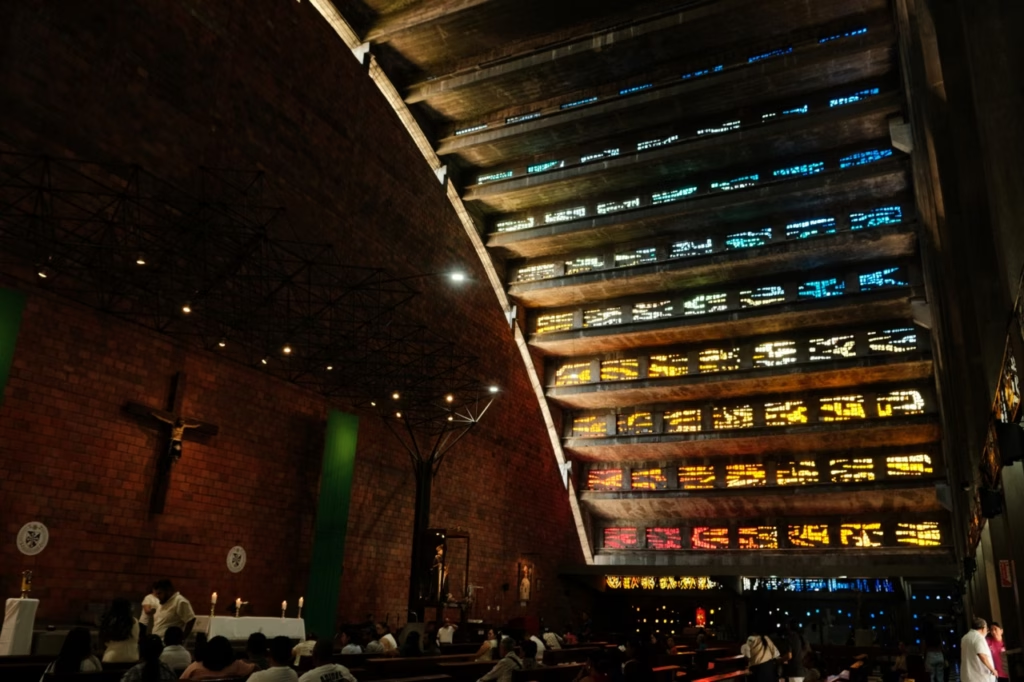
Of these, Iglesia El Rosario and the National Library of El Salvador are my two must visits:
Iglesia El Rosario looks fairly simple from the outside, but its interior features a curved cieling and incredible rainbow stained glass.
The National Library is a huge modern building that immediately stands out among the historic architecture downtown. There’s a balcony on the sixth floor where you have an amazing view of the square.

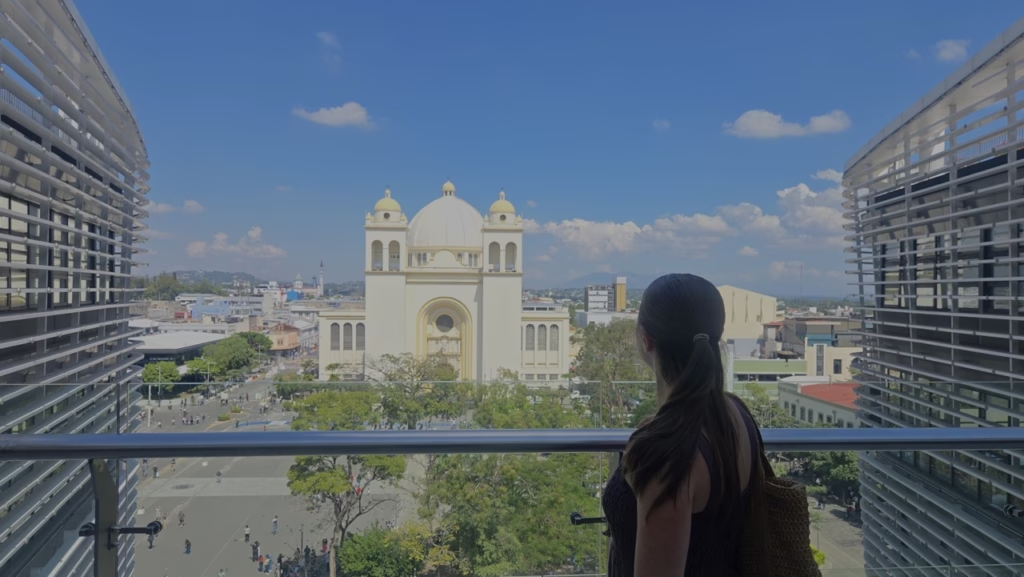
If you really want to dive deeper into San Salvador’s history, I recommend joining a guided walking tour of Centro Histórico. I really wish we had time to do this because I was interested in learning about the history of the city and how it’s changed in recent years.
2. Take a Pupusa Cooking Class in Santa Ana
Taking a pupusa cooking class in Santa Ana was one of my favorite experiences of our entire El Salvador trip. I found the class randomly on Google Maps and contacted the host, Maria, directly through WhatsApp the book the class. It ended up being just us and Maria, and it was SO fun. Maria is a great chef and teacher and we loved talking with her about life in El Salvador.
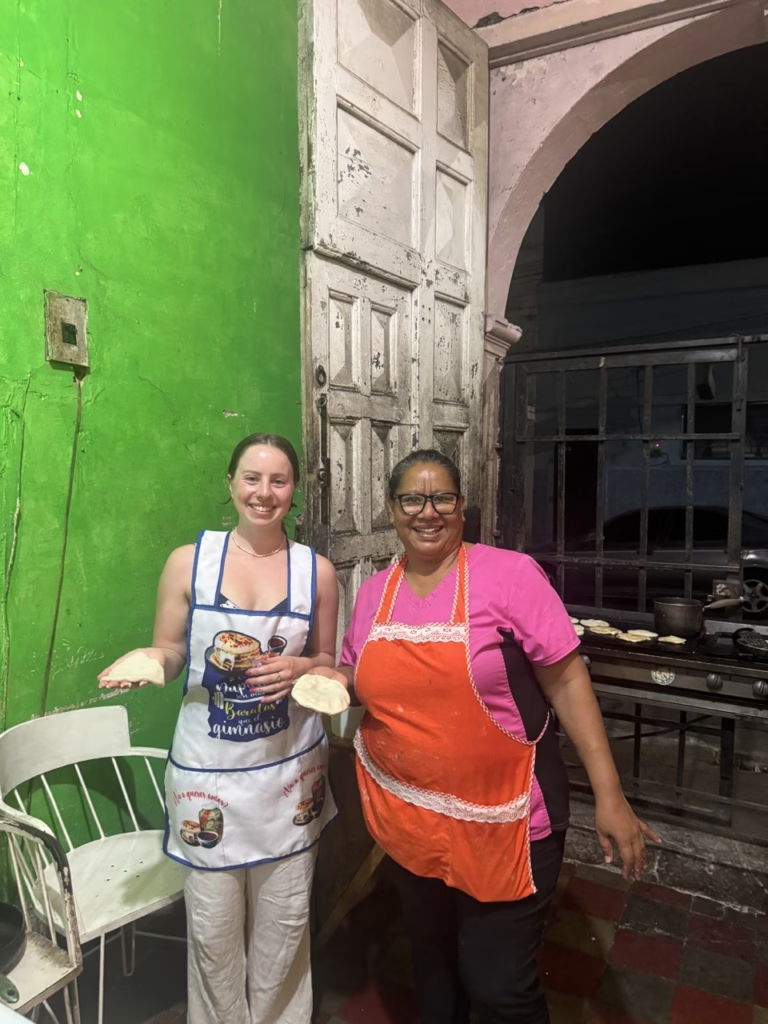
We started the class by making curtido (a tangy cabbage slaw), salsa and the pupusa dough. Maria had different fillings preprepared, including cheese, beans and meat, and we could fill the pupusas however we wanted. We each made a few and then cooked them ourselves on the cooktop she had set up. Maria also made us hot chocolate and sweet plantains, so the class ended up being a full dinner.
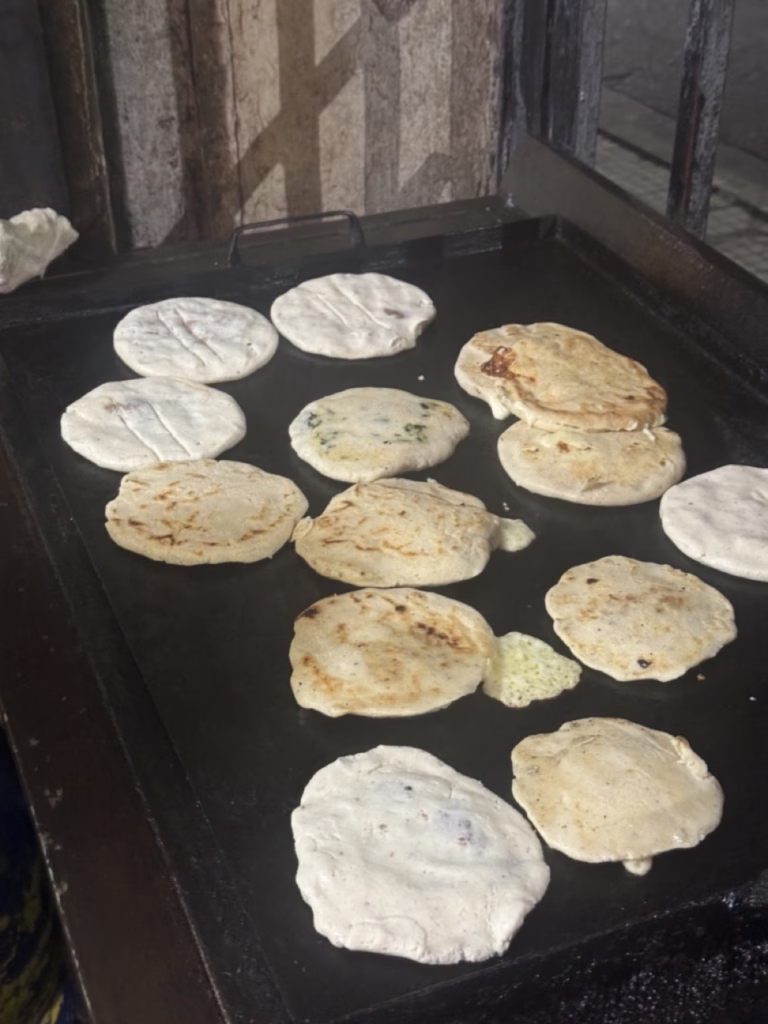
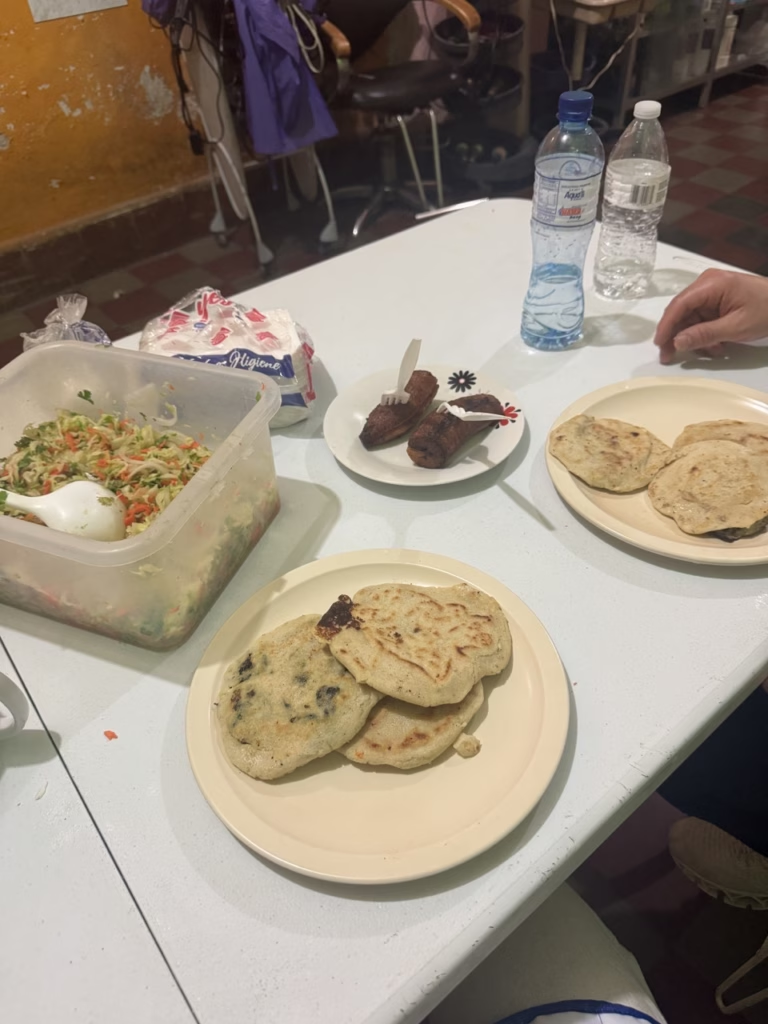
The class cost $15 per person when we visited, but we enjoyed it so much that we gave Maria $40 total. Find Maria’s class on Google Maps here, or contact her directly on WhatsApp at +50368515122.
If you aren’t able to book with Maria, there is also another popular pupusa cooking class in Santa Ana hosted by Casa Coco Hostel.
3. Hike Santa Ana Volcano
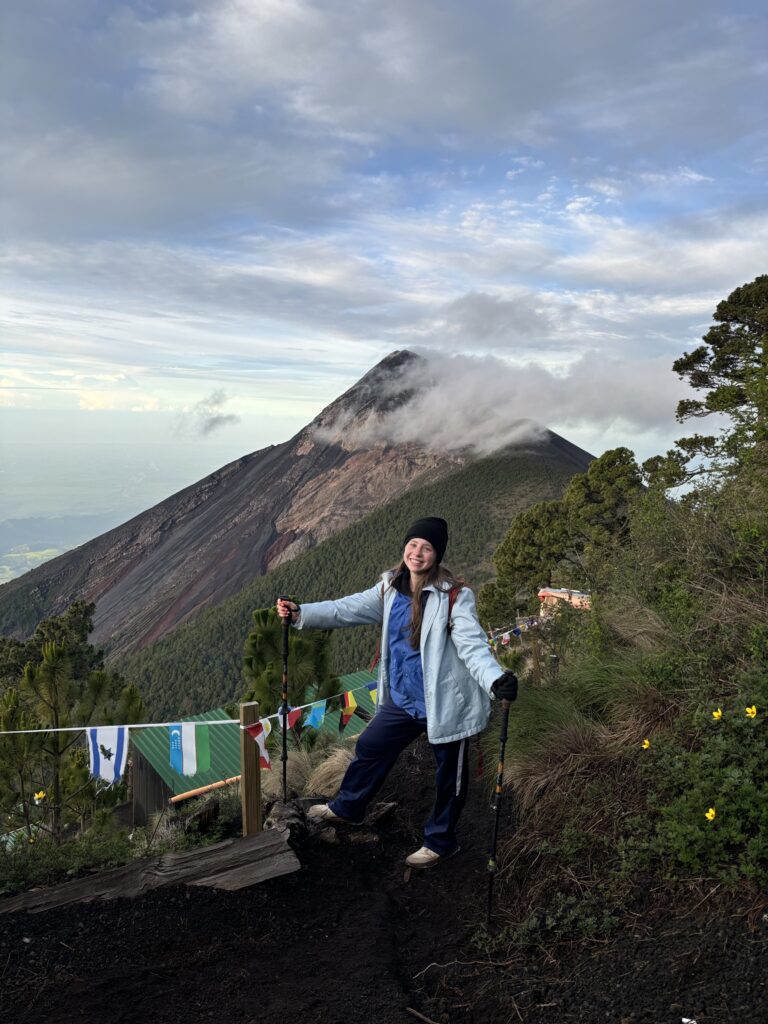
Santa Ana Volcano, also known as Ilamatepec, is one of the most famous hikes in El Salvador. The main attraction is the volcanic crater at the summit, along with views over the surrounding mountains and Lake Coatepeque.
There are plenty of tours offered to Santa Ana Volcano from San Salvador, El Tunco and Santa Ana, so it’s easy to visit even without your own car.
If you do have a rental car, like we did, you can drive to the volcano yourself and join a tour once you arrive. This was our original plan because we wanted to try to do it ourselves, but the process for entering and finding a guide was a little disorganized. We eventually found a group to join, but I honestly wish we had just arranged a tour ahead of time.
Unfortunately, our visit happened on an extremely windy and cloudy day, so we weren’t allowed to hike all the way to the crater for safety reasons. We made it to one of the first checkpoints, but we were inside a dark cloud and there was no visibility. Even though we didn’t reach the summit, it was still a memorable experience, and on the way back down the clouds cleared enough for us to get some beautiful views of the surrounding volcanoes.
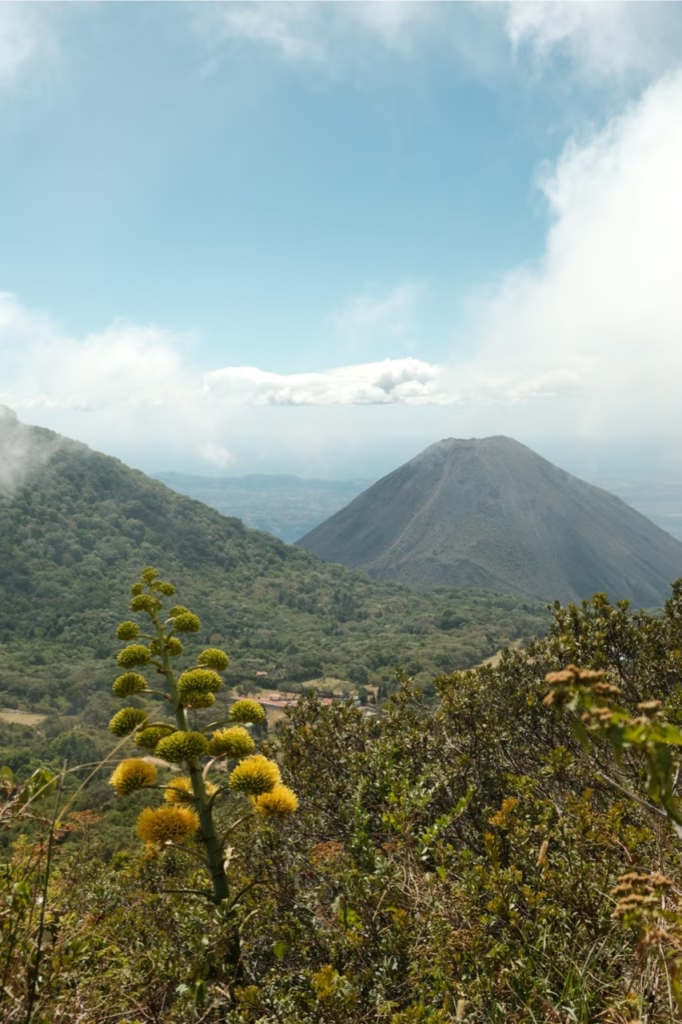
4. Spend the Afternoon at Lake Coatepeque
Lake Coatepeque is a huge volcanic crater lake surrounded by mountains, located close to Santa Ana Volcano (making the two good to combine in one day).
If you’re not visiting Lake Coatepeque on a tour, I highly recommend driving to Captain Morgan Hostel and getting a day pass. It cost just $5 when we visited and included either a soda or beer from the bar. You can spend the afternoon relaxing on their deck with direct access to the lake or climb onto the higher platform and jump into the water.
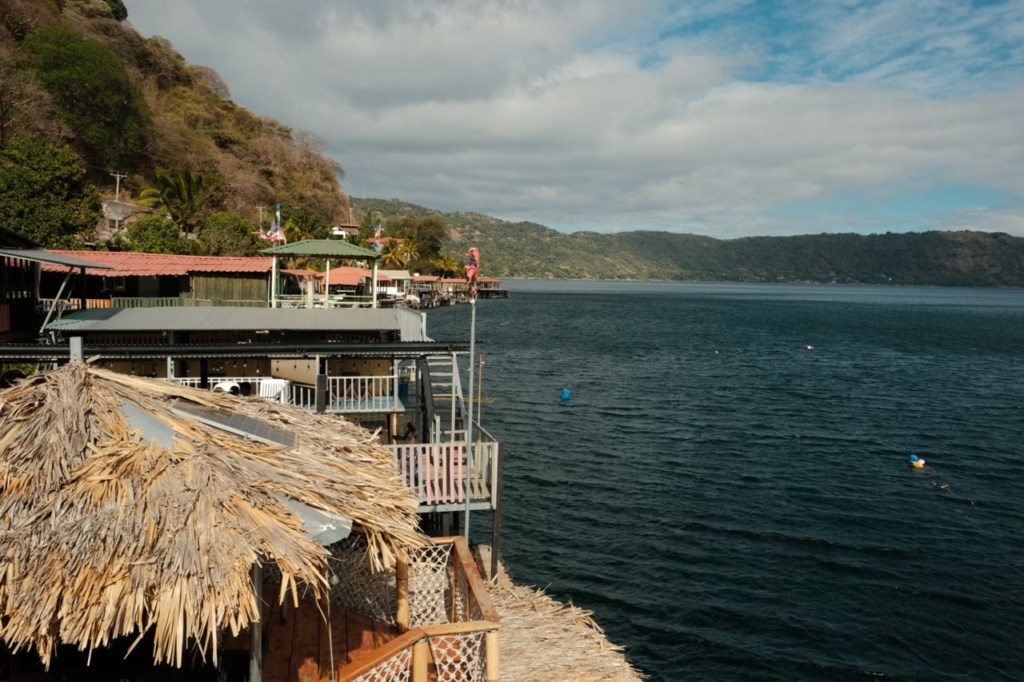
You can also rent boats and jet skis. We rented a jet ski for $40 for 30 minutes, and even though it was cold and windy when we visited, riding around the lake was super fun!
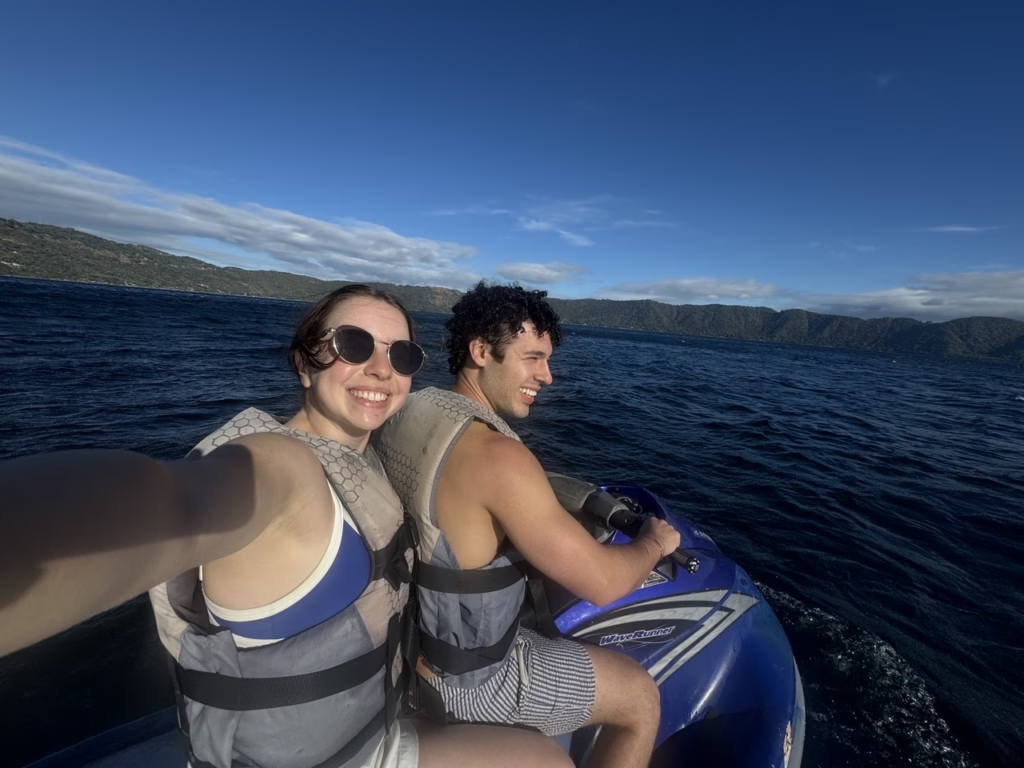
We liked Lake Coatepeque so much that we actually wished we had stayed there instead of the city of Santa Ana. If you prefer nature and lake views over being in the city, it could be a good base for exploring this part of El Salvador. Captain Morgan Hostel and Equinoccio Hotel are my top choices of where to stay around the lake, as they both have direct lake access.
5. Swim at El Salto de Malacatiupán Waterfall
El Salto de Malacatiupán is a waterfall located about an hour from Santa Ana and a great stop while driving from Santa Ana toward the Ruta de las Flores. It’s a bit hard to reach because you have to drive a couple of miles down an unpaved road, and I don’t think there are many organized tours that go there, so a car is necessary to visit.
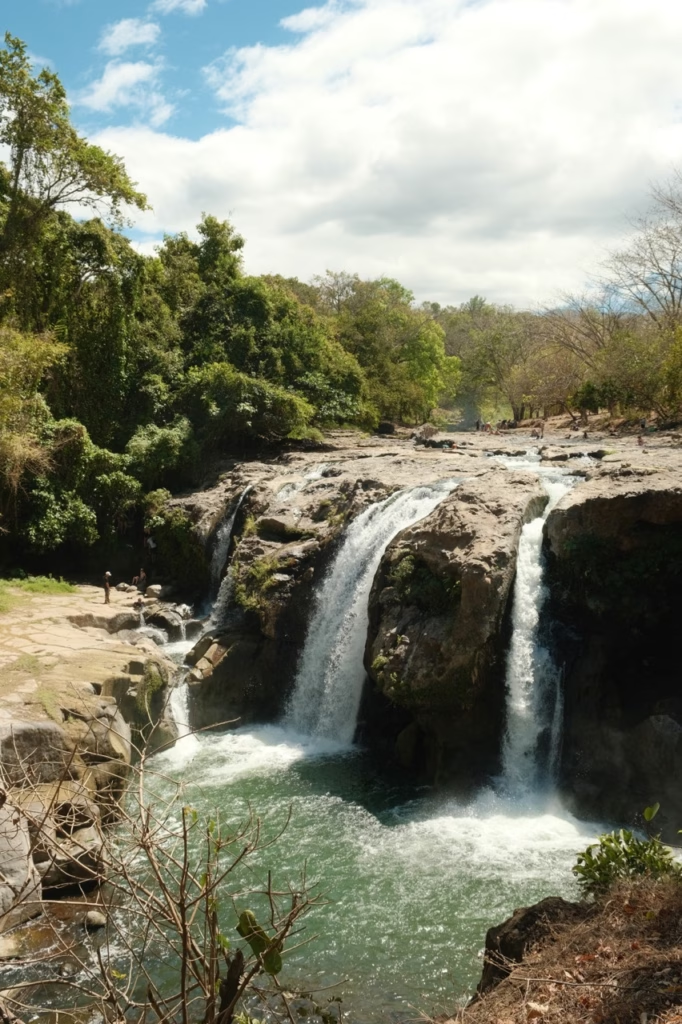
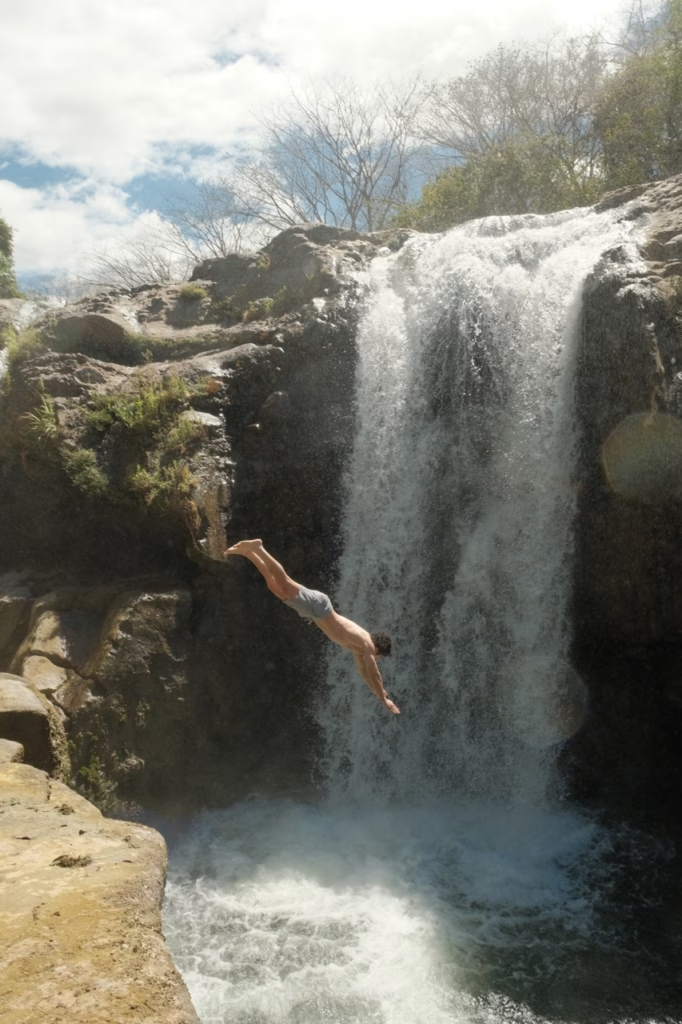
The waterfall is a great place for swimming, lounging and enjoying the scenery, but it’s also popular with experienced cliff jumpers (hence the name El Salto, which means jump in Spanish). My boyfriend specifically wanted to visit because he loves cliff jumping.
When we arrived, there was some confusion about whether jumping was allowed. Eventually, we met a local who showed my boyfriend where people jump from and helped him climb back out with a rope.
Once my boyfriend made the first jump, several other people started joining in. But even if you aren’t interested in cliff jumping, the waterfall is worth visiting just to swim and relax. That’s what I did there all day!
6. Stay One Night in a Mountain Cabin
One of the best ways to break up a road trip around El Salvador is to spend a night somewhere in the mountains. We stayed in a remote cabin near Los Naranjos, Casa Jaguar, with an incredible view of a volcano. It was one of the most memorable nights of our trip! Look at this sunset we saw when we arrived!
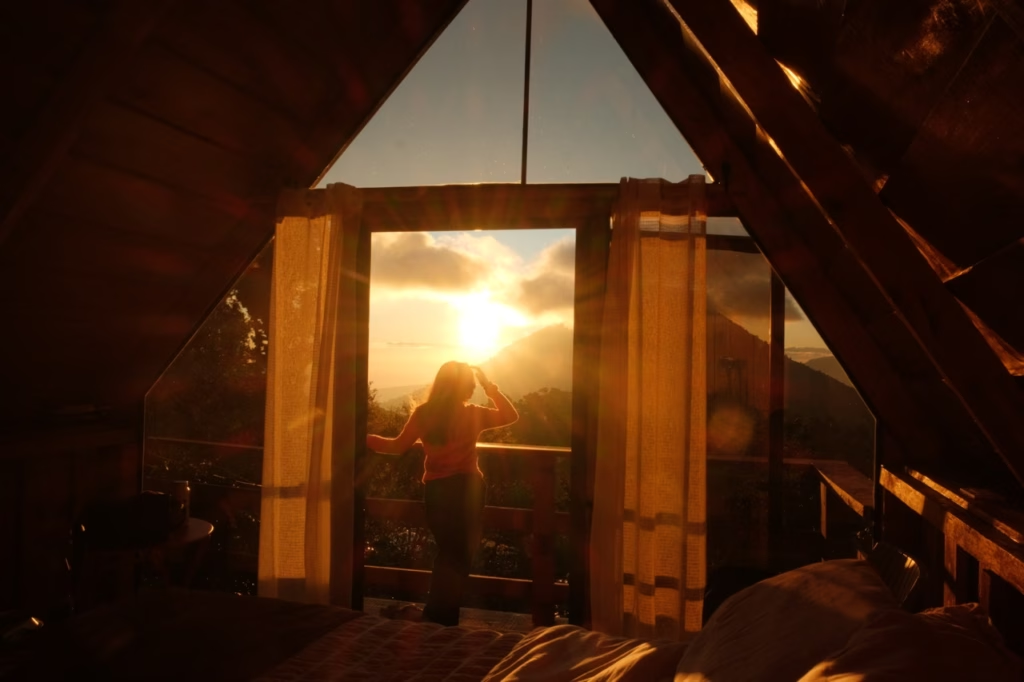
Our cabin was located on a coffee farm with a completely unobstructed volcano view. It was simple, with just the bedroom and a bathroom, but there was also a shared outdoor kitchen and deck. We brought groceries with us to cook dinner and breakfast, since there are no restaurants or shops nearby. There were a few other cabins on the property, but nobody else was staying there, so we pretty much had the place to ourselves.
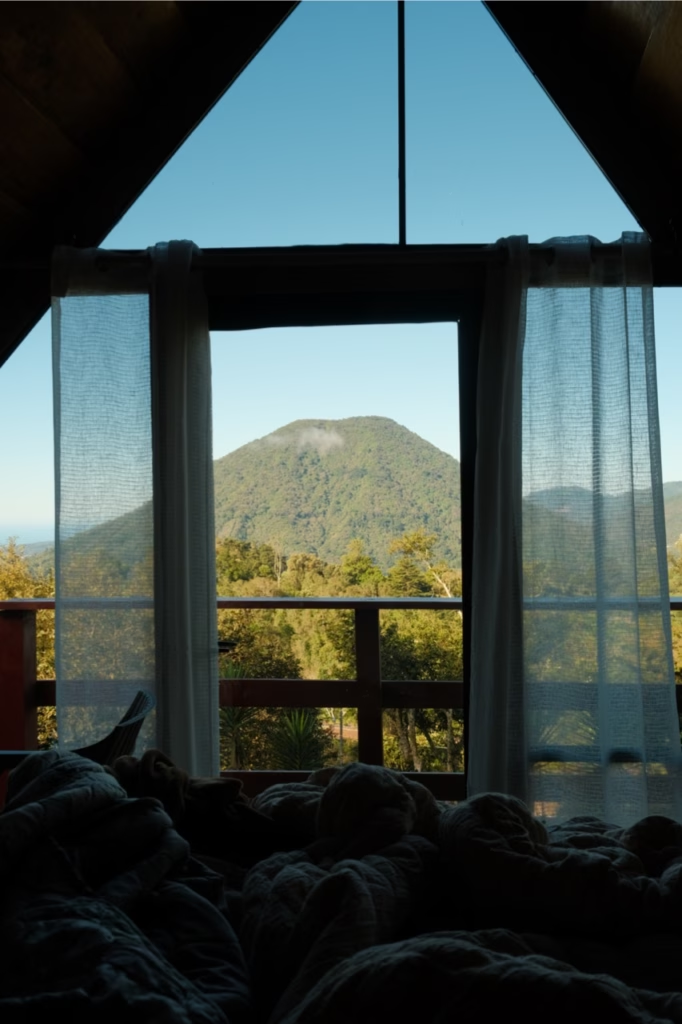
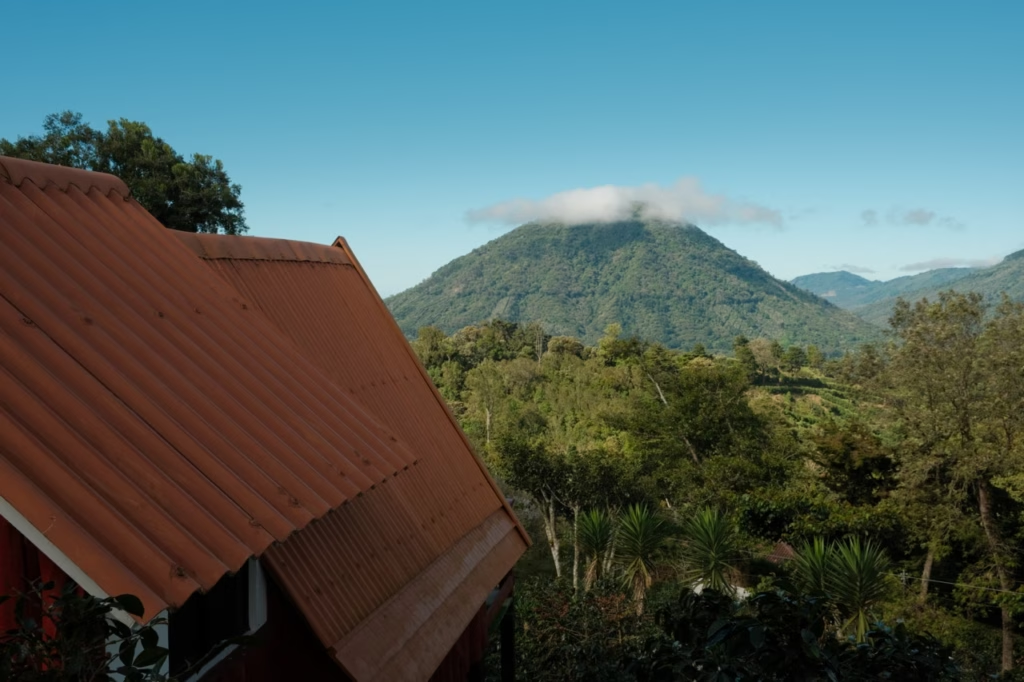
Here’s a link to our cabin, along with a few other remote cabins and hotels that I’d recommend around Los Naranjos
7. Drive the Ruta de las Flores
The Ruta de las Flores connects several colorful mountain towns in western El Salvador and is known for its coffee farms, mountain views, waterfalls and colorful villages. We used Juayúa as our base and spent a day stopping at different places along the route.
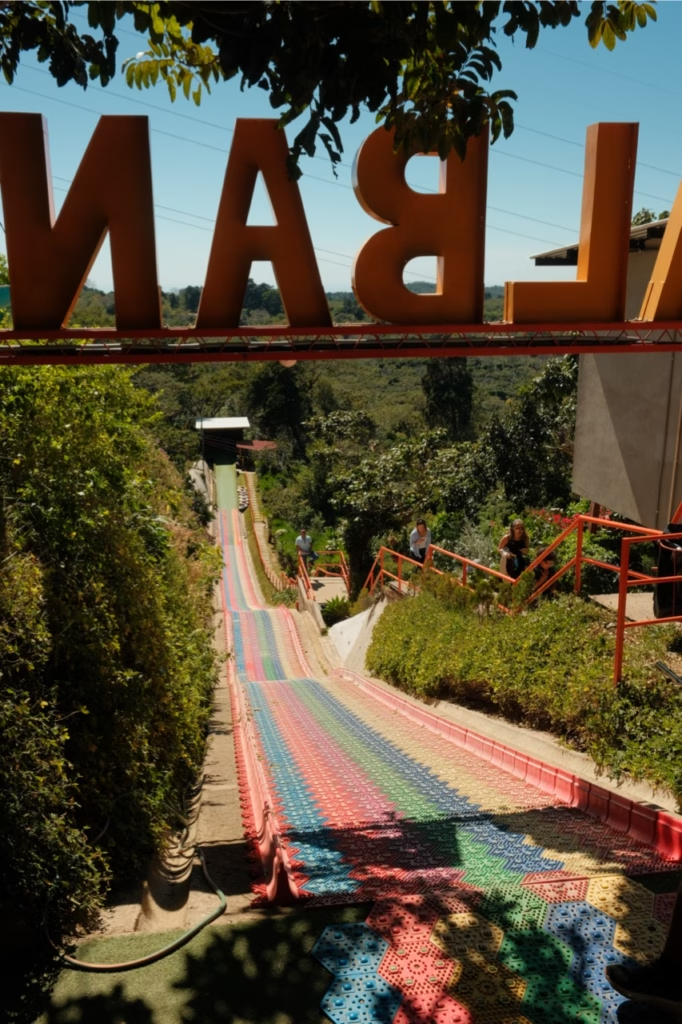
Two stops I especially recommend on the Ruta de las Flores are Café Albania and Concepción de Ataco:
Café Albania is an adventure park with zip lines, giant slides, photo opportunities and incredible mountain views. I thought it was pretty touristy and overpriced, with one zip line costing around $20 when we visited. But I still think it’s worth stopping, especially since there are several parks like this around El Salvador and it’s fun to try at least one while you’re there.
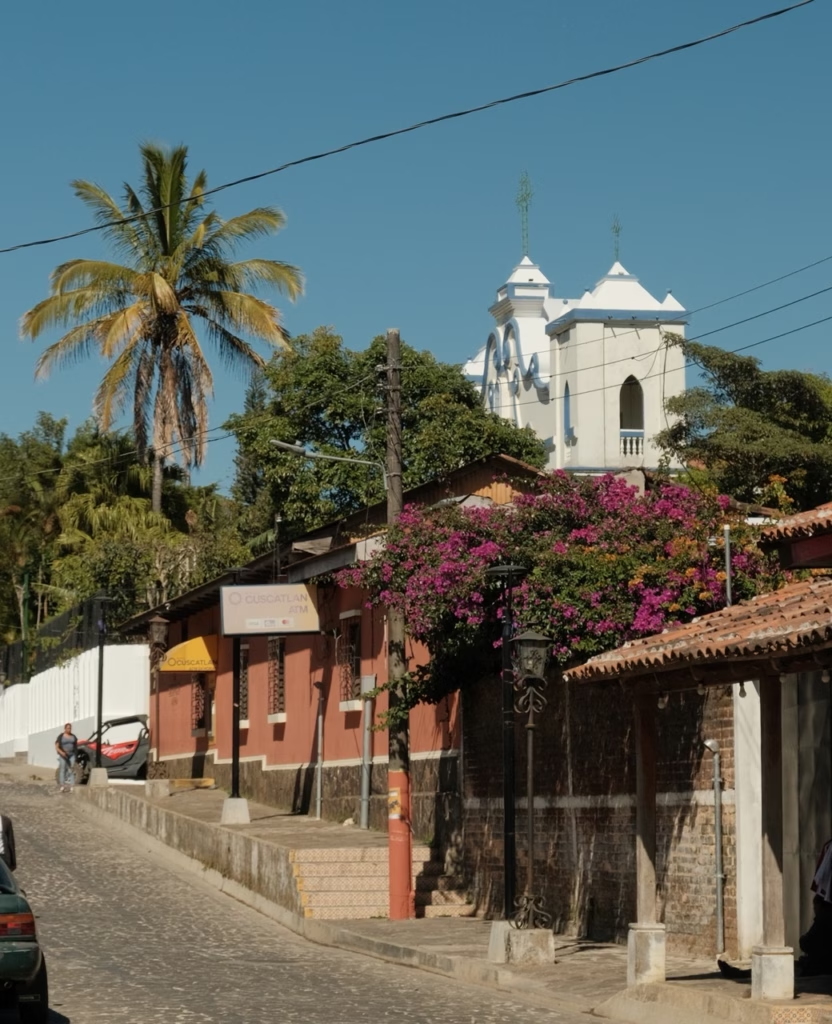
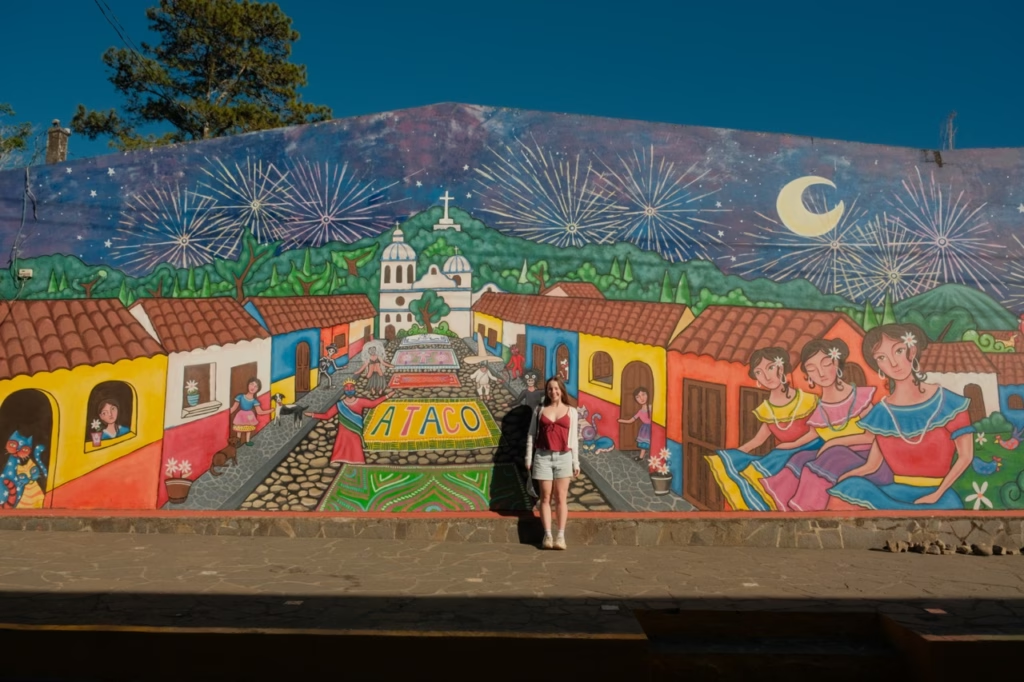
Concepción de Ataco was the prettiest town we visited along the Ruta de la Flores, with colorful streets, murals and lots of little shops selling unique souvenirs. It’s a great place to spend an hour walking around and stop for lunch.
If you don’t have a car, there are plenty of guided tours that cover the Ruta de las Flores. This one stops at a few of the popular towns and also visits a coffee farm.
8. Hike the Seven Waterfalls in Juayúa
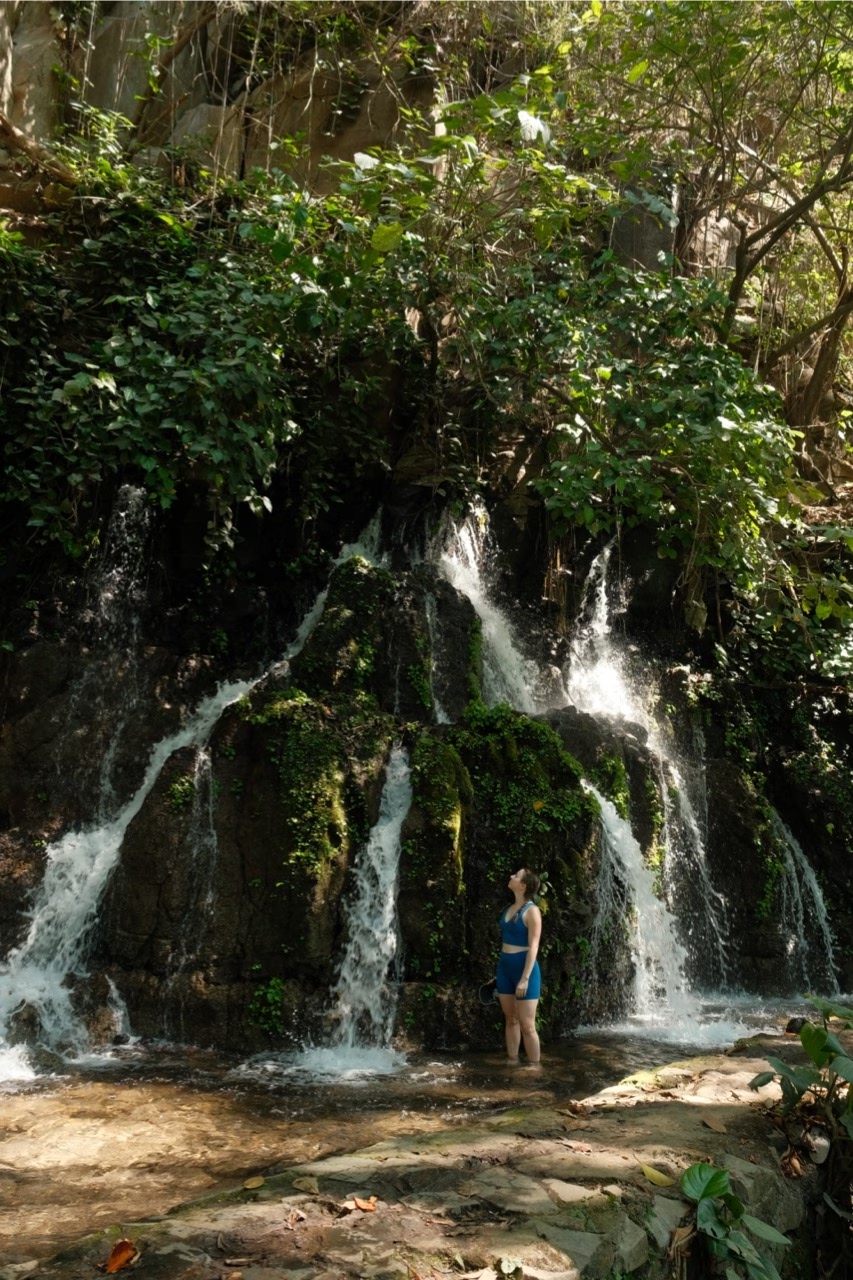
The Seven Waterfalls hike in Juayúa was one of our favorite outdoor adventures in El Salvador. The hike takes you through lush jungle and passes several waterfalls along the route.
Despite some information online suggesting that you can hike independently, I recommend going with a local guide. We specifically wanted a private experience, so we found a guide through Instagram and arranged the hike directly with him.
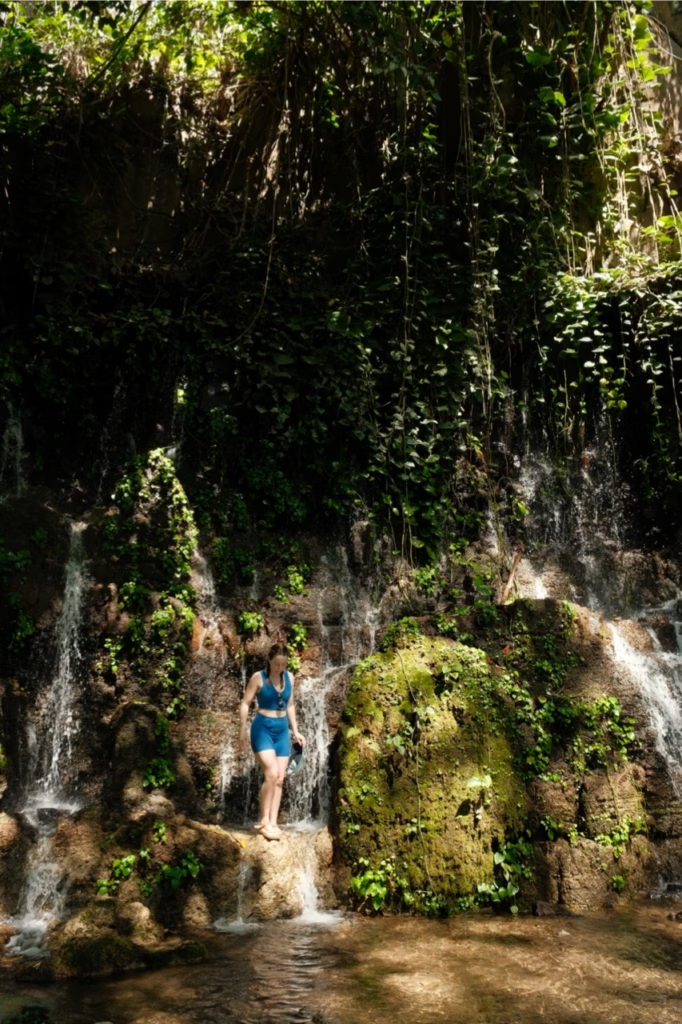
Having a private guide meant we could hike at our own pace, had some waterfalls completely to ourselves and got some great photos and videos along the way. However, transportation wasn’t included, so we had to drive ourselves down a dirt road to the trailhead. If you don’t have a car, I would definitely book an organized tour that includes transportation from Juayúa.
Expect to get very wet on this hike. You’ll be walking through water and climbing up parts of waterfalls. And at the end, you’ll have an opportunity to swim at Los Chorros de la Calera, one of the most impressive waterfalls on the hike. So wear clothes that can get wet and waterproof shoes with good grip. A dry bag is also a good idea if you’re bringing a camera like I did.
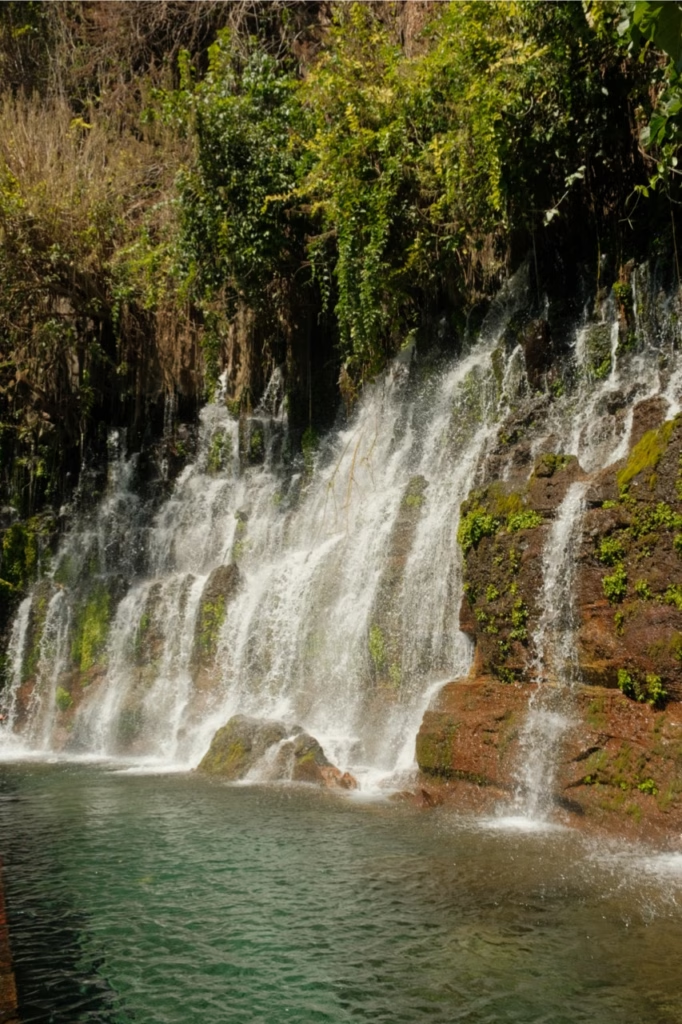
9. Explore the Rock Formations at El Zonte Beach
El Zonte is a small surf town along El Salvador’s Pacific Coast, known for its black sand beach, great waves and beautiful rocky coastline. It’s smaller and quieter than nearby El Tunco, although it’s still quite popular with travelers. We stayed here for one night and really enjoyed the relaxed atmosphere.
What makes El Zonte especially worth visiting are the unique rock formations scattered along the beach. So before setting up a place to lounge for the day, take a walk down the beach to the large natural rock arch. It’s become a popular photo spot!
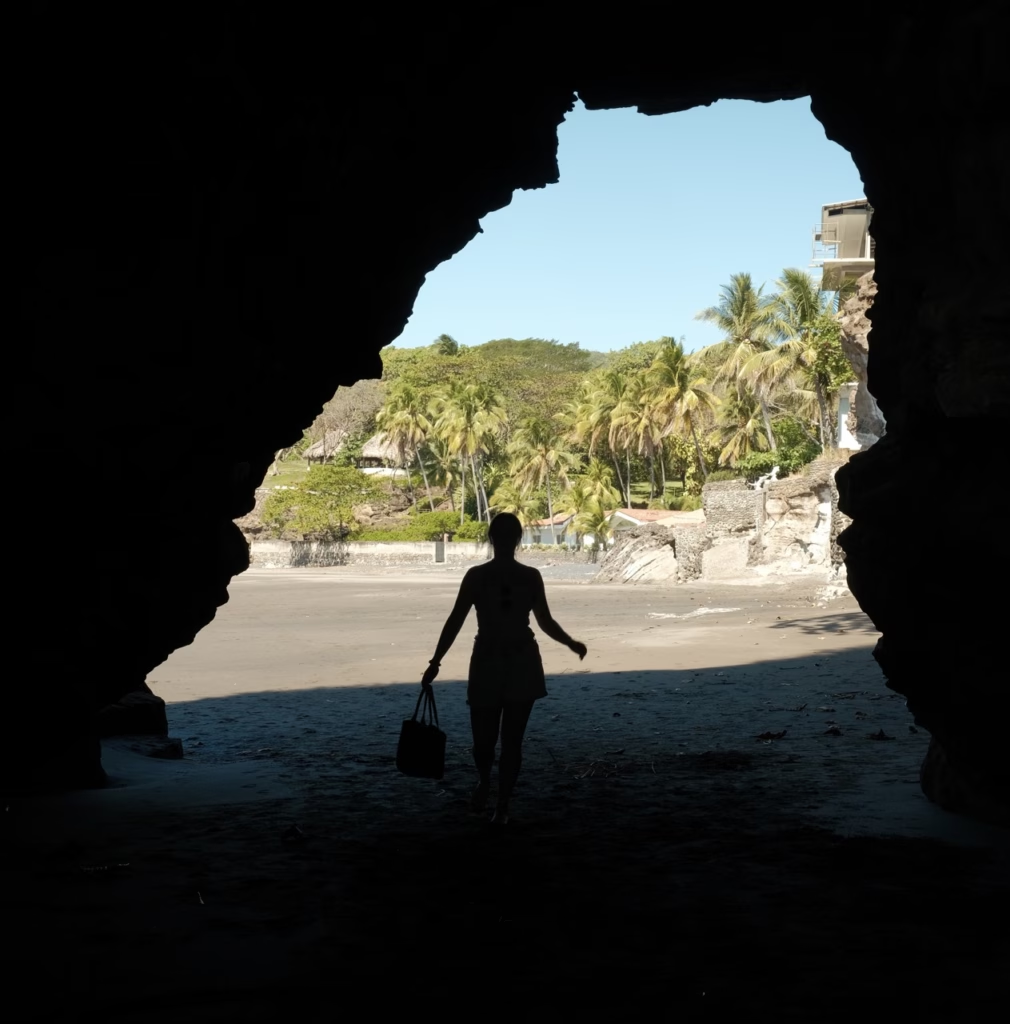
Even if you decide to stay in El Tunco or La Libertad instead, El Zonte is definitely worth visiting for the day. Spend the day exploring the beach, swimming in the ocean and then enjoy lunch at one of the restaurants in town.
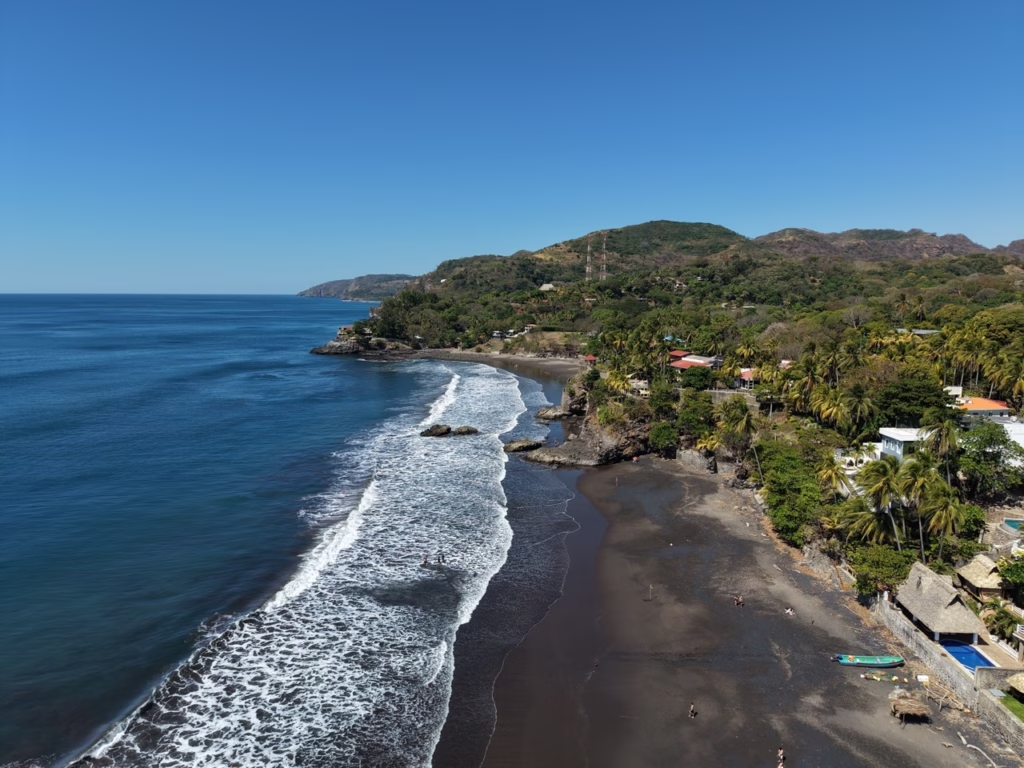
10. Learn to Surf at El Tunco Beach
El Tunco is El Salvador’s most famous beach town and the best place to experience the country’s surf culture. The small town has become especially popular with backpackers, surfers and digital nomads, with tons of restaurants, shops and surf schools packed around its black sand beach. It’s definitely touristy and more expensive than other parts of El Salvador, but we really liked it.
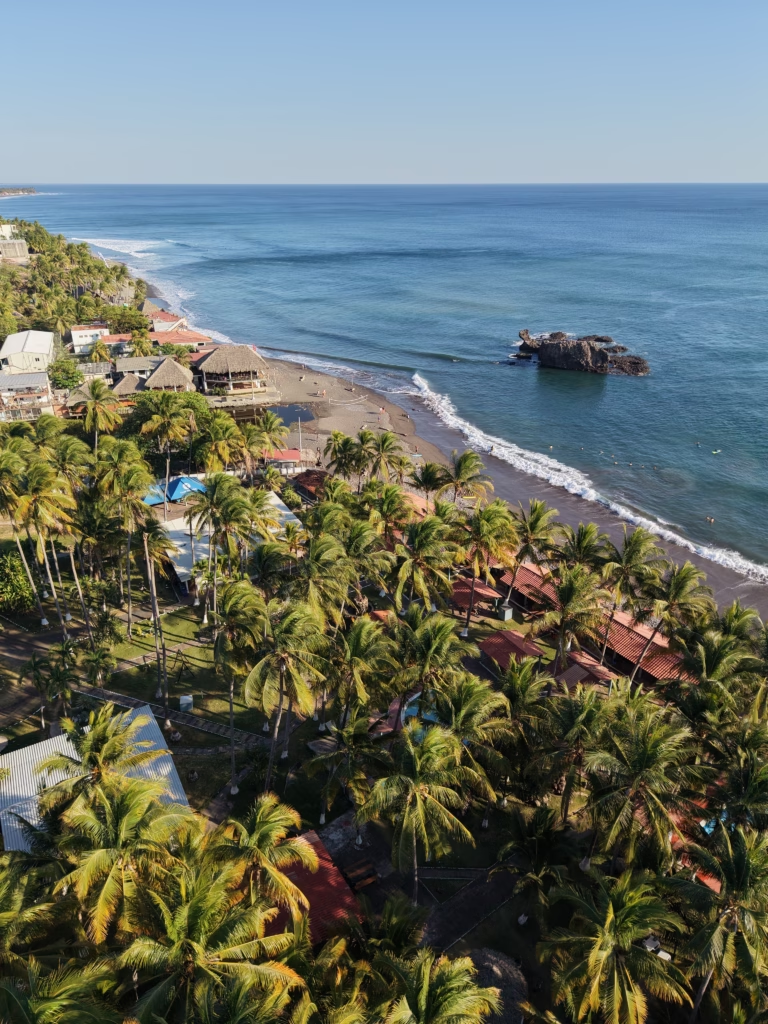
If you’ve never tried surfing, El Tunco is the place to learn! You’ll find surfboard rentals and experienced instructors all around town who can guide you through a beginner surf lesson. You can book a class ahead of time, or just walk into a surf school and ask to join a lesson.
My boyfriend already had some surfing experience, so he rented a board and went out on his own. I didn’t take a lesson during this trip (I honestly wimped out) but I definitely will when I return.
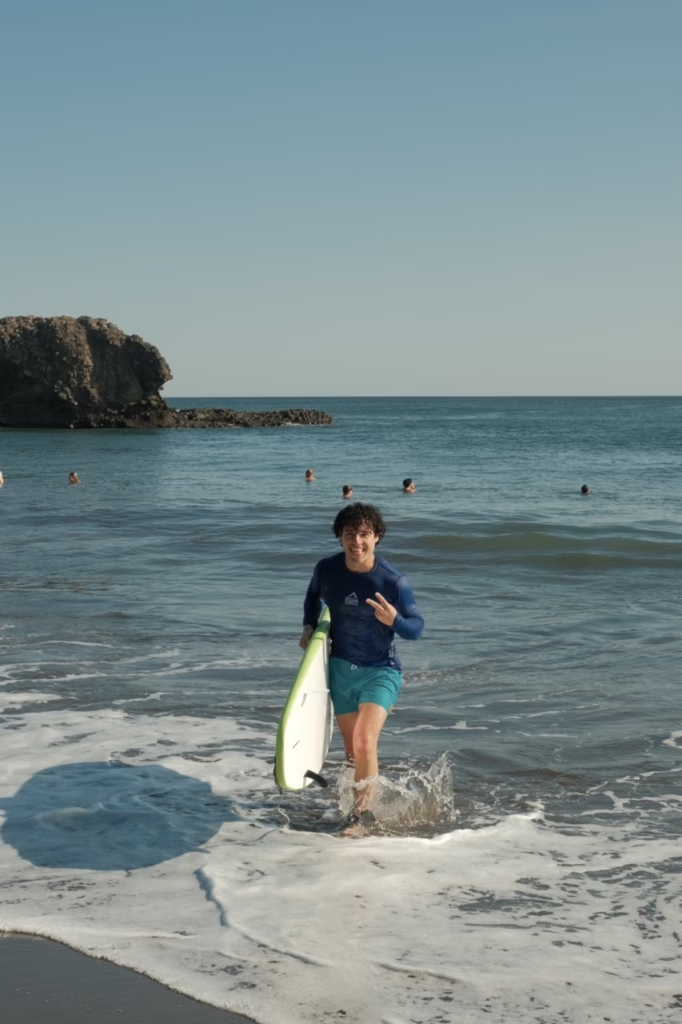
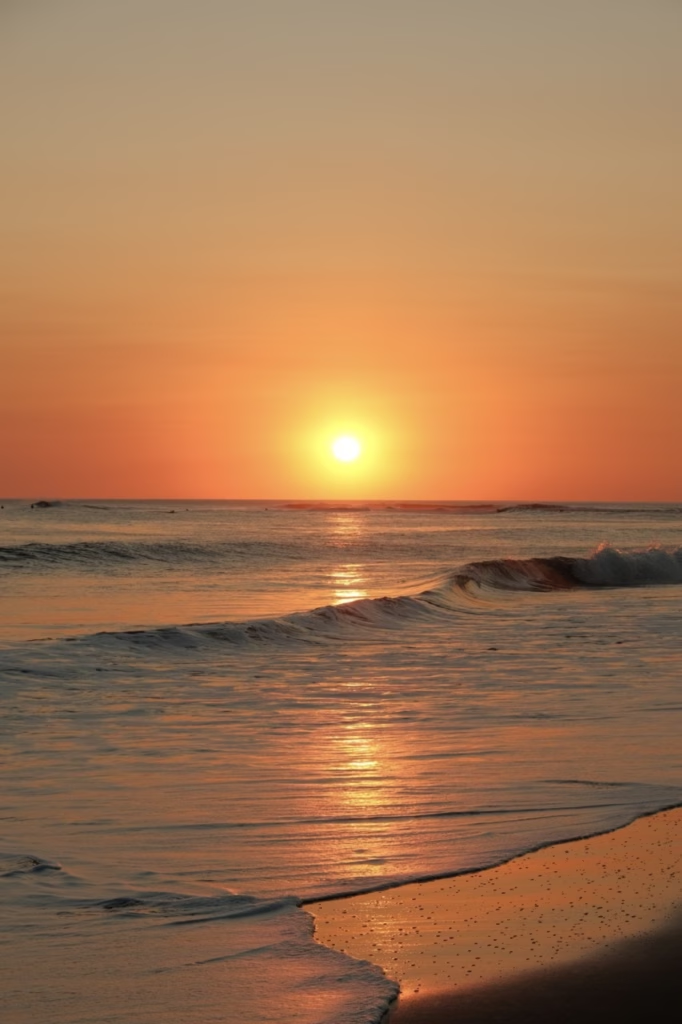
Even if you have no interest in surfing at all, El Tunco is worth visiting for the beach, restaurants and overall atmosphere. While my boyfriend surfed, a lounged on the sand and spent hours swimming in the water. Oh, and make sure to stay for sunset, they were some of the best I’ve ever seen!
There are so many different things to do in El Salvador, making it a great destination for travelers who like a littl ebit of everything, from cities and culture to beaches and hiking.
For the exact route I followed around the country, check out my 10 Day El Salvador Road Trip Itinerary. It includes everything we did, where we stayed, and all the hidden gems you don’t want to miss!
This site contains links to affiliate websites, and I receive an affiliate commission for any purchases made by you on the affiliate website, at no extra cost to you. Thanks!